


Outdoor Furniture Guide for Restaurant Patios
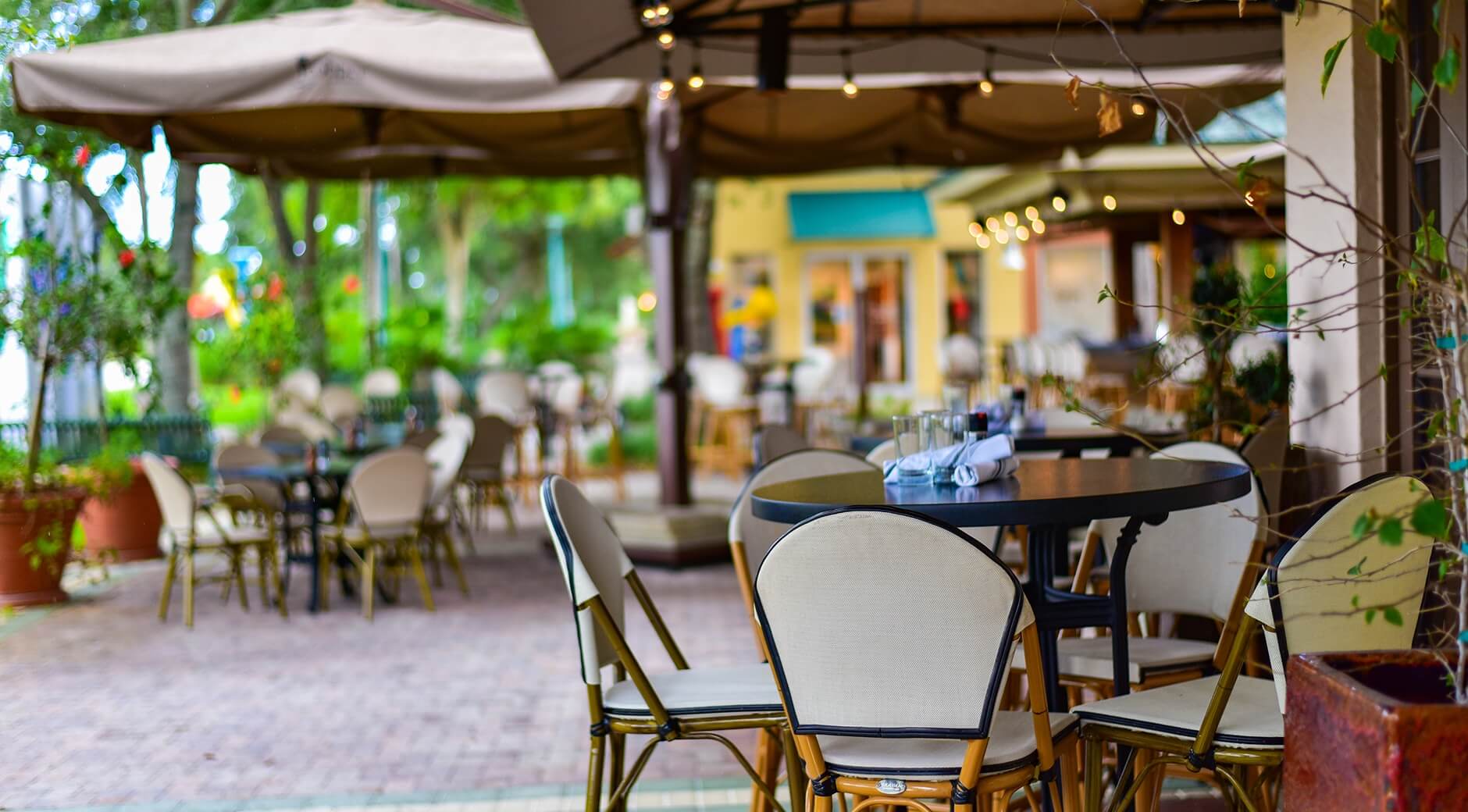
Designing an outdoor dining space is about more than just expanding your restaurant’s square footage. Sure, adding patio seating means you can accommodate more guests. But, more importantly, you’re giving those guests a whole new way to experience what your restaurant has to offer.
Choosing the right outdoor restaurant furniture means balancing durability, comfort, and easy maintenance, especially for patios exposed to sun, rain, and frequent cleaning. In this guide, we’ll cover practical outdoor furniture solutions for restaurant patios, with a focus on weather-resistant, stackable chairs and easy-to-clean tables that support efficient layouts and smooth service. To start, we’ve rounded up five key factors to consider when selecting furniture for your patio.
1. Patio Layout & Space Planning
Before you start comparing weatherproof wicker chairs and cast iron cafe tables, it’s good to have a crystal clear idea of what you want your outdoor dining space to look and feel like. Are you working with a small, intimate outdoor area that calls for chic cafe tables and space-saving folding chairs? Or are you hosting diners in a fully enclosed patio with family-style communal outdoor restaurant benches?
Having a preliminary layout in mind will make it easier to choose furniture and narrow down materials. Space is a major concern, especially for city restaurants with patios that fall on the smaller side. Always measure your patio before you start shopping to get an idea of how much furniture you can fit.
You may also want to think about portability. Some outdoor furniture needs to be installed in place, which makes it much more difficult to rearrange it and change up your layout down the road. If you’re anticipating seasonal changes that will require you to move your furniture around or bring it inside, you’ll want to narrow your selection down to portable pieces.
2: Guest Comfort
It’s well known in the industry that some restaurants purposefully choose moderately uncomfortable seating to increase table turnover and boost revenue. But studies have also shown time and time again that more comfortable seating leads to positive reviews. Keeping your guests comfortable is what turns them into regulars, keeping them coming back and making it much more likely they’ll spread the good word about your restaurant to their friends.
Some important things to consider when choosing comfortable outdoor restaurant seating include:
- Seating: No one wants to squeeze into a chair that’s too small, much less sit in one for the duration of a meal.
- Ergonomics: Leg room and back support are key considerations when choosing outdoor patio furniture. Guests should leave your establishment thinking about the delicious food they ate — not how much your chairs made their back hurt.
- Shade: To ensure that there’s plenty of shade to keep your diners cool on a sunny day, choose tables designed to hold umbrellas. On a hot summer day, guests will be much more likely to grab a table at your restaurant if they know they can avoid direct sun.
3. Patio Furniture Stackability & Storage
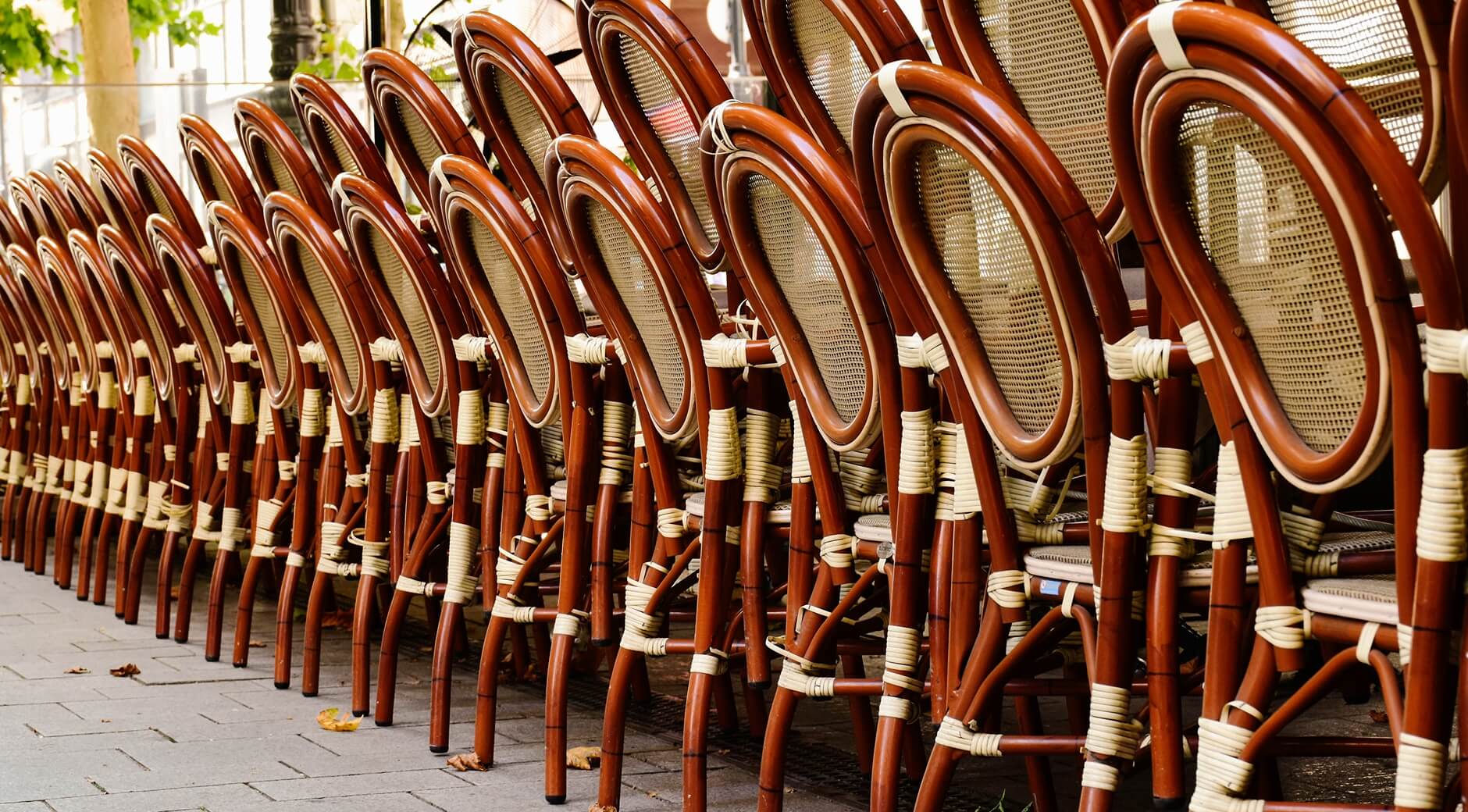
Will your outdoor seating be available to guests year-round, or will you need to store your patio furniture away for months at a time? Choosing stackable or foldable outdoor furniture will be a lifesaver when the off-season comes along.
If you plan to host events or private parties out on your restaurant patio, stackable or otherwise easily portable furniture makes it much easier to reconfigure your outdoor seating as needed.
4. Weather Considerations
If your restaurant’s patio isn’t fully enclosed, weather resistance should jump to the top of your priority list when comparing outdoor furniture.
Select materials that won’t rust, warp, or fade to minimize repair or replacement costs and keep your furniture looking great for years. Powder-coated aluminum, stainless steel, synthetic teak, and composite are all excellent choices for weather-resistant outdoor dining furniture.
5. Patio Furniture Cleaning & Maintenance
Accumulating dust, pollen, dirt, and grime is unavoidable when you have outdoor seating at your restaurant. But you can reduce the effort you have to expend to keep it looking clean. Choose smooth, non-porous surfaces that are easy to wipe down in between checks or hose down at the end of the day. Your guests and your staff will thank you.
Narrowing Down Your Options: Materials Designed for Outdoor Use
Once you have an idea of how to choose your restaurant patio furniture, it’s time to narrow down the best tables and chairs for your space. Outdoor furniture has come a long way, and it’s easy to feel overwhelmed by all of the materials, configurations, and weather-proofing options available. Let’s take a look at the different pieces you’ll need to create the perfect outdoor dining experience for your guests.
Table Bases
Selecting the right outdoor table base is an often-overlooked aspect of designing the perfect restaurant patio. A wobbly table is one of the fastest ways to undermine a guest's experience, and the base is what anchors your entire setup.
Bases must be durable enough to handle rain, temperature swings, and daily commercial use without rusting, warping, or fading. Adjustable feet are also a simple, effective feature to keep tables level on uneven patio surfaces.
Common table base materials include:
- Aluminum: Aluminum bases are a popular choice because they are lightweight, making tables easy to reposition or store, and naturally rust-resistant for all-season use.
- Cast Iron: Offering substantial weight for stability, cast iron bases are incredibly durable and often come with a powder-coated finish for indoor/outdoor use.
- Stainless Steel: For a sleek, modern look that is suitable for both indoor and outdoor settings, stainless steel bases provide excellent durability and a sophisticated aesthetic.
- Powder-Coated Steel: Steel bases are often used in 3-piece base constructions and are typically finished with a durable powder coating to protect the metal from outdoor exposure.
Table Tops
Outdoor table tops face a gauntlet of challenges: sun, rain, temperature swings, and daily cleaning. When selecting outdoor table tops, prioritizing weather resistance and UV resistance is non-negotiable. Consistent UV exposure is what causes finishes to fade, warp, and crack, dramatically shortening the lifespan of your table.
Outdoor material options that balance durability and style include:
- Teak and Bamboo: These natural wood options bring warmth and texture to an outdoor setting. Teak is particularly valued for its natural oil content, which provides inherent resistance to moisture and makes it one of the strongest wood performers for all-weather use. Bamboo offers a bright, casual look.
- Sintered Stone: For an upscale, low-maintenance aesthetic, sintered stone is an excellent choice. Made from natural raw materials pressed and heated under extreme conditions, this material is scratch- and heat-resistant, non-porous, and won't fade from sun exposure.
- Resin and Composite: If minimal upkeep and maximum durability are the goal, resin and composite tops are a practical standard. These materials are built to resist moisture, warping, and fading, handling daily cleaning and heavy use with ease.
Seating
Outdoor dining chairs, barstools, and benches should keep your guests comfortable for the duration of the meal. But the type of seating you choose also plays into the overall atmosphere of your restaurant patio. Striking the perfect balance of style and comfort is the key to creating an outdoor dining experience that keeps your guests coming back.
Commercial outdoor seating is available in a variety of materials designed for durability and weather resistance:
- Aluminum: This material is lightweight and rust-resistant, making aluminum frames a great choice for easy repositioning and all-season outdoor use. Aluminum frames are often paired with weather-resistant seats and backs made from synthetic fibers or poly woven materials.
- Metal: Durable metal frames, often powder-coated steel, offer a sturdy and long-lasting seating solution. Metal chairs and barstools can feature sleek, modern designs or classic basket-back styles.
- Imitation Wood: For the warmth and texture of wood without the vulnerability that comes with using wood outdoors, look for pieces that combine synthetic teak with an aluminum frame. These commercial-grade options provide the desired aesthetic while delivering the weather resistance and longevity required for a high-traffic outdoor environment.
Shop Commercial-Grade Patio Furniture Built to Last
Give your guests a comfortable, stylish outdoor dining option with patio furniture from A1 Restaurant Furniture. As a wholesale supplier, we offer competitive pricing and maintain a large, in-stock inventory for quick shipping, ensuring you get the long-lasting pieces your restaurant patio needs to keep reservations booked.
Browse Outdoor FurnitureFrequently Asked Questions
How do I prevent outdoor furniture from shifting or tipping in windy conditions?
To prevent shifting or tipping in windy conditions, you need furniture with substantial weight and stability. Specifically, look for table bases built with weighted components, such as cast iron, which offers necessary heft to anchor the setup. Adjustable feet can also help ensure the table is level and stable on uneven surfaces, minimizing the chance of rocking.
Do I need different furniture for covered vs. uncovered patios?
Truly weather-resistant, commercial-grade patio furniture will hold up to daily use, whether your patio is covered or not. However, for uncovered patios, make sure you opt for furniture that offers significant UV resistance to avoid the damaging effects of sun exposure
What’s the best way to store patio furniture during the off-season?
Thoroughly clean all furniture with mild soap and water before storage to remove dirt and grime. Store pieces indoors or in a sheltered area where possible. If indoor storage isn't an option, use heavy-duty, breathable covers to protect the furniture—especially aluminum—from snow, ice, and fluctuating temperatures.
Related Articles


Save: 46% off


- Aluminum Restaurant Chairs
- Metal Restaurant Chairs
- Stainless Steel Restaurant Chair
- Veneer Metal Restaurant Chairs
- Wood Restaurant Chairs

- Commercial Aluminum Bar Stools
- Commercial Metal Bar Stools
- Stainless Steel Bar Stools
- Veneer Metal Bar Stools
- Commercial Wooden Bar Stools
- Commercial Swivel Bar Stools
- Restaurant Swivel Bar Stools

- Outdoor Restaurant Bench
- Outdoor Restaurant Chairs
- Outdoor Restaurant Table Base
- Outdoor Restaurant Bar Stools
- Outdoor Restaurant Tables

- Restaurant Benches
- Wood Restaurant Booths
- Melamine Booths
- Metal Booths
- Upholstered Booths
- Mix & Match Upholstered Booths

- Almond Wood Table Tops
- Bamboo Table Tops
- Beech Wood Table Tops
- Ceramic Table Tops
- Elm Wood Table Tops
- Granite Table Tops
- Indoor Sintered Stone Table Tops
- Laminate Table Tops
- Marble Table Tops
- Medium Density Fiberboard Tops
- Melamine Table Tops
- Oak Wood Table Tops
- Resin Restaurant Table Tops
- Resin-Wood Table Tops
- Reversible Table Tops
- Teak Wood Table Tops
- Wood Veneer Table Tops
- Compression Table Tops
- Pine Wood Table Tops


  |